The Launch of Break Through Cancer (BTC)
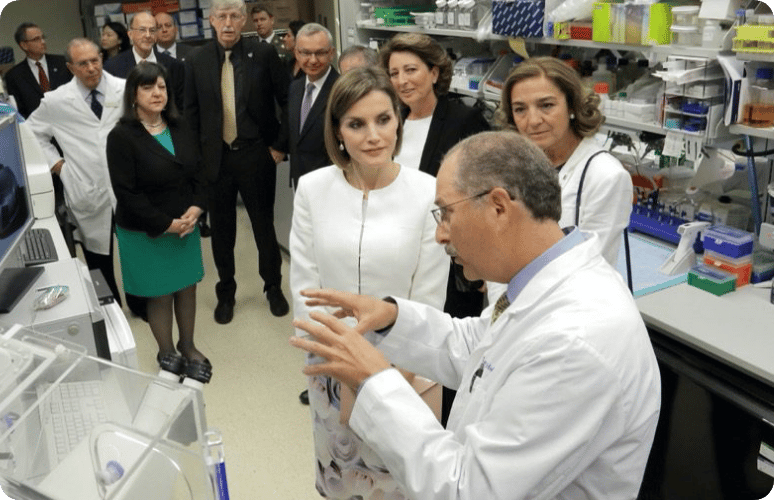
Research collaborations often face structural impediments, but BTC is a first-of-its-kind partnership among the world’s top cancer centers backed by a $250 million investment aiming to overcome them.
“The motto of Break Through Cancer is radical collaboration, and that is in fact what we need to solve these tumors like osteosarcoma,” adds OSI Director Lee Helman, MD.
An OSI Strategic Advisory Board member who was also involved with BTC connected our two organizations. Osteosarcoma became BTC’s sixth cancer for study. In 2022, BTC agreed to invest $5 million but needed OSI and our community to fundraise an additional $10 million to enable a $15 million project. After three years, the fundraising goal was met in September, and the project commenced.
“This is a dream come true for patients and those of us who have been working on the problem for a long time,” says OSI President Mac Tichenor. “It is a major achievement for the entire field.”
Collaborating with the FDA
Before approving a new treatment, the FDA evaluates data from clinical trials. In rare diseases, there are a several potential challenges to designing and conducting clinical trials that are feasible and able to generate sufficient data to support drug development in a timely fashion. For example, with osteosarcoma, patient recruitment to clinical trials can take years. That slower pace pushes back study timelines and, in turn, delays when new therapies can reach patients.
“We have been trying to figure out how we can work with the FDA to get drugs to patients sooner,” Dr. Helman says. That effort took a major step forward in October, when the FDA and OSI led a workshop (Advancing Osteosarcoma Drug Development – Connecting Research and Regulatory Pathways for Improved Outcomes) that welcomed more than 300 researchers, pharmaceutical industry leaders, and advocates committed to finding solutions to the challenges that slow the ability to bring new promising therapies to osteosarcoma patients.
“The FDA understands our problem and clearly wants to help us (and pharma) find a way out of the logjam we have been in for so long,” Dr. Helman says. “Pharma also saw that if they have a drug they want to try in a rare tumor like osteosarcoma, the FDA will work with all of us to run development programs for osteosarcoma that are as efficient as possible so that we can move drugs forward much faster. And the FDA made it clear they want to keep working with OSI to make that happen. I am very thrilled with that accomplishment.”