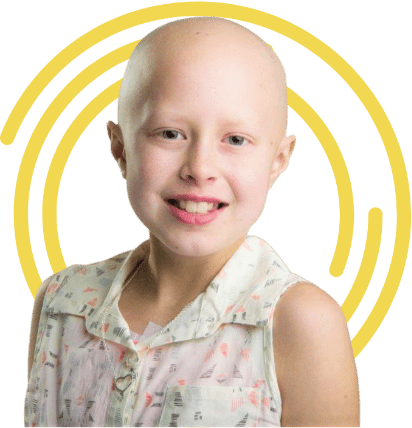
Diana does not downplay the challenges of chemotherapy, the hair loss at age 13, or the surgeries she faced. She acknowledges that those experiences were life-changing, but she also makes it clear they no longer define who she is.


Stories of progress, inspiration, and information in overcoming osteosarcoma.

Diana does not downplay the challenges of chemotherapy, the hair loss at age 13, or the surgeries she faced. She acknowledges that those experiences were life-changing, but she also makes it clear they no longer define who she is.
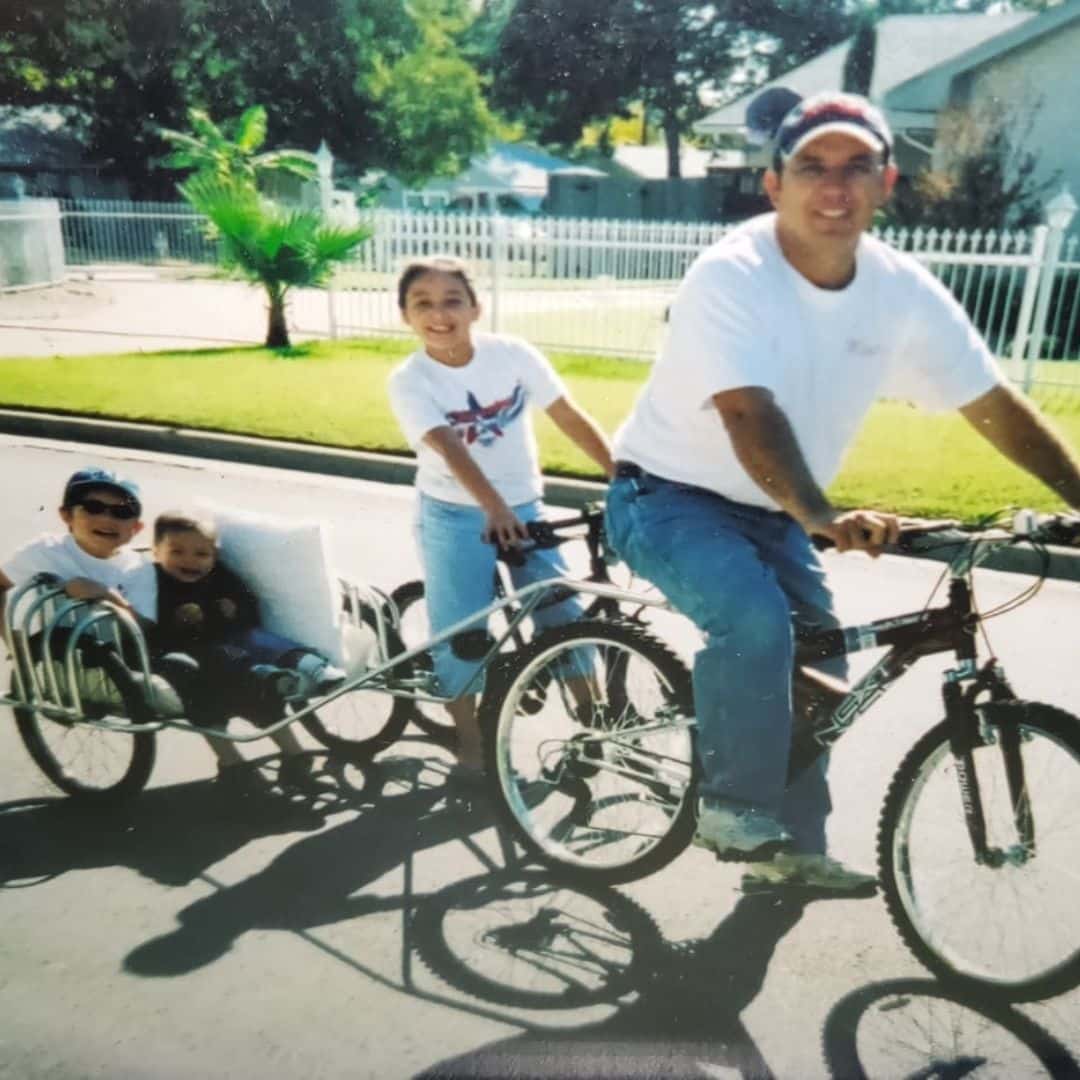
Barrera grew up with a big extended family in Texas, and she was always playing football, soccer, and freeze tag with her brothers, cousins, and friends.
“One day, I started noticing a bump on my right knee that was really warm to the touch, and my strength started giving out in that knee,” she says.
Her parents never suspected cancer, but Diana’s symptoms continued: The lump got bigger and warmer in the next few weeks. Barrera went to see a doctor for cold symptoms, and in the exam room she pointed out the lump on her knee.
“I noticed the doctor became very attentive,” Barrera says. The doctor ordered X-rays and a CT scan, and soon after, Barrera was rushed to Cook Children’s Medical Center in Fort Worth, where she was diagnosed with osteosarcoma in November 2010.
“I remember that day in the hospital room just my mom and I waiting for the doctor. He came in and explained the results and what would change our lives. I had cancer. My mom immediately started bawling her eyes out. I, on the other hand, just sat there looking at my mom both worried, yet I was more upset about seeing my mom cry than what was at hand. I did not understand the gravity and the reality of my diagnosis until the symptoms set in, especially the day all my hair fell out.”
By December, her hair slowly started to fall out. “Teachers and kids at school started noticing and asking what was going on,” she says. Soon after, she lost all her hair. “I remember showering in the hospital after a round of chemo and running my hands through my hair like I usually did. This time was different. My hair just kept coming out. I remember freezing and soon the nurse wanted to check on my port line. I realized I had to come out of the bathroom and then I got scared because I did not want anyone to see me like this.”
That’s when the psychological effects of osteosarcoma began to intrude.
“I broke down crying and once my mom moved the towel off my head, I was trying to hide myself from everyone. I remember my mom was holding me tight, and the nurses and child life specialist were beyond supportive and kind. That was the first moment that it sunk in that I had cancer,” she says.
Later, she got a wig, but she never cared for it. “It was itchy and sweaty, and I just did not feel like myself. I put it aside and decided I was going to stay bald,” she says.
Her chemotherapy treatments continued through February 2011, and on March 1, she had a limb salvage surgery to remove the cancer and replace her knee and some of her bone. She says surgery and physical therapy were tough, and she had to adjust to the physical changes she faced.
“I had to wrap my head around the fact I wasn’t going to be physically the same. I wasn’t going to be able to run and play sports with my friends the same way I used to…or so I thought.” she says.
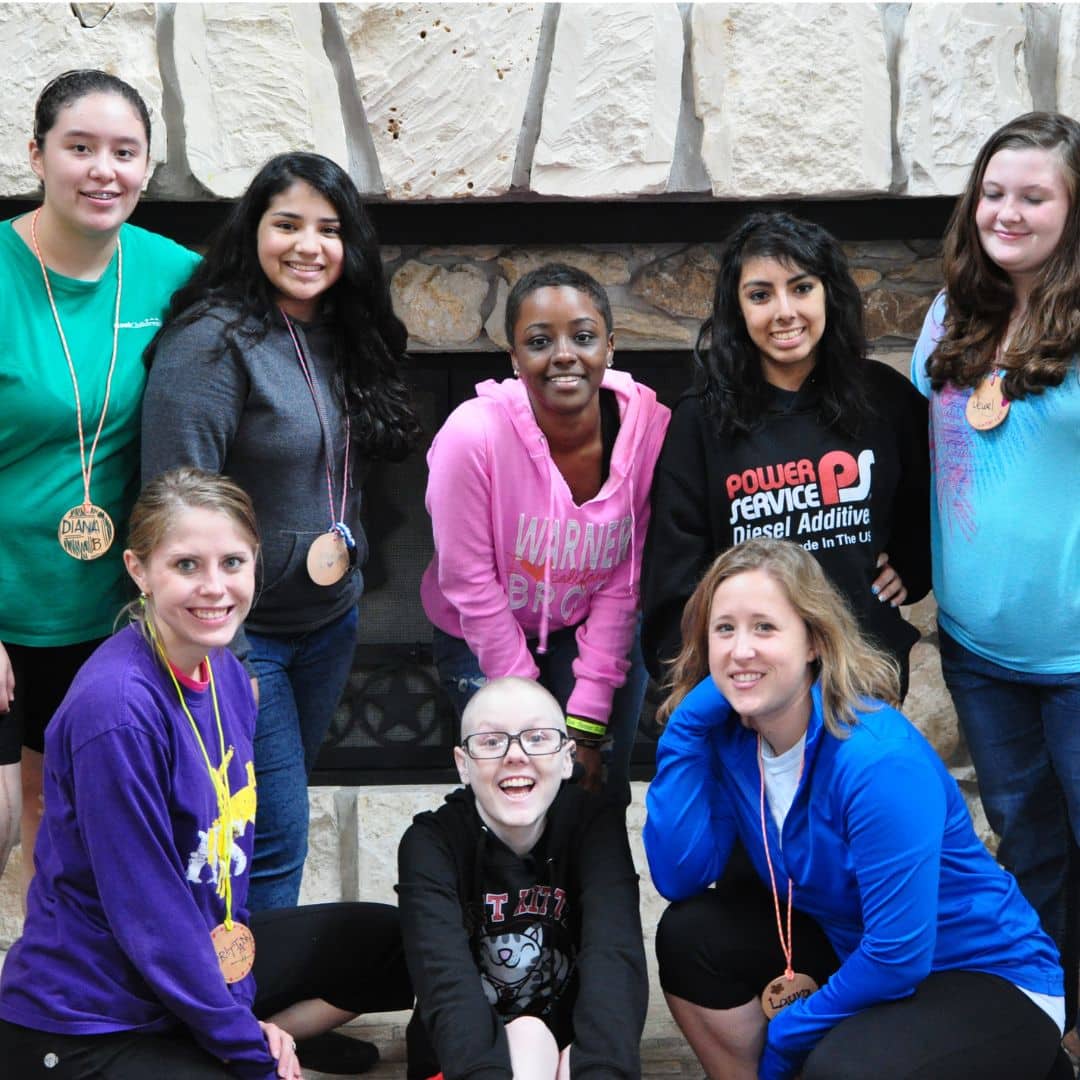
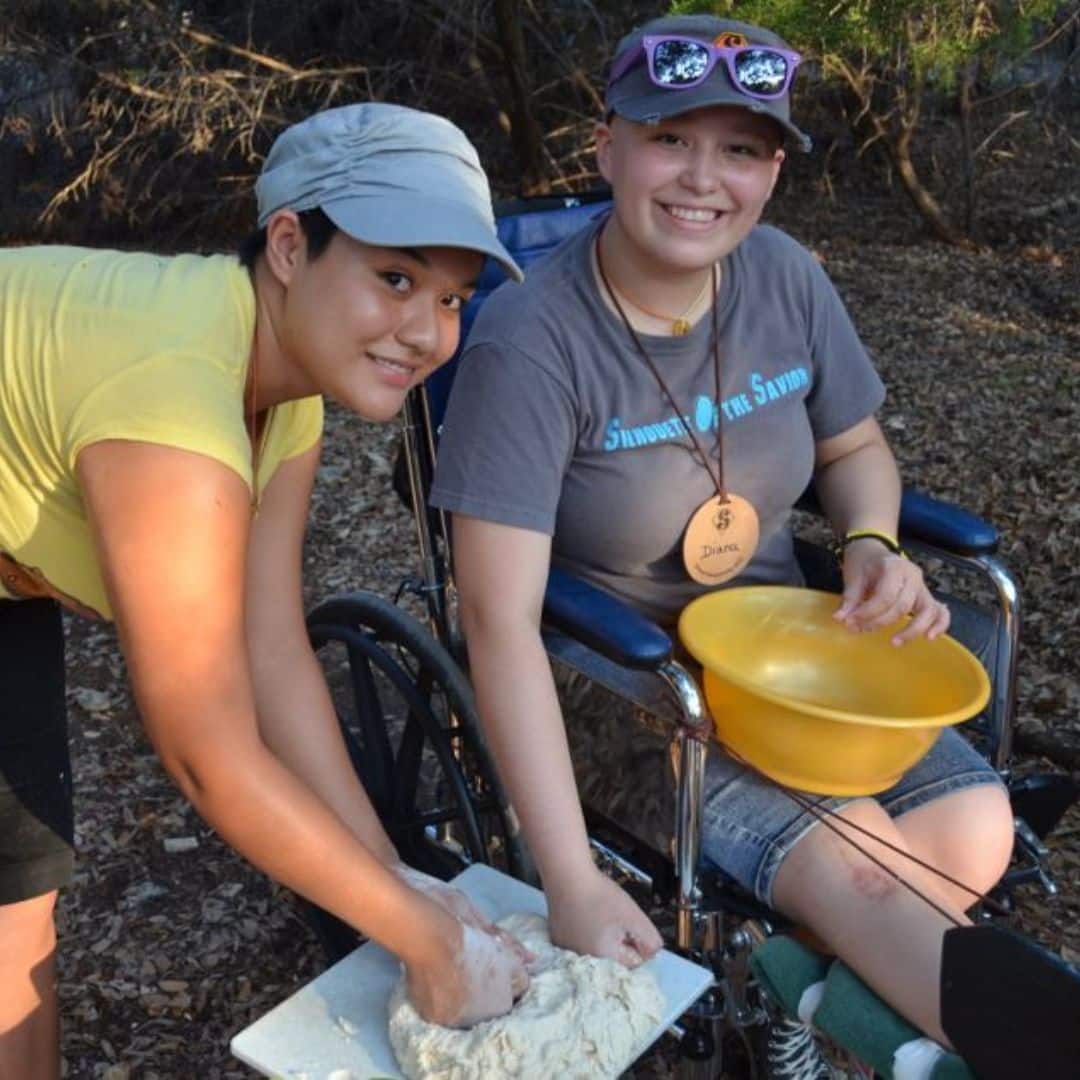
Barrera had the opportunity to go to Camp Sanguinity, a summer camp experience for kids treated at Cook Children’s. She met lots of other children who were facing different types of cancer, including Rita and Freddy. “That whole week at camp with the counselors and campers helped me gain so much confidence,” she says.
She’s since returned to the camp as a volunteer counselor, where she met Kaleb Collins, who also had osteosarcoma.
“He was someone I could relate with, especially since I did not run into many osteosarcoma patients and much less those my age. We were able to talk about the struggles we had and the experiences we had with our new legs since we both had limb salvages,” she says.
Barrera says she was more focused on fighting cancer and less on academics during treatment. But her teachers would send work to the hospital, and she would complete it when she felt strong enough.
When she was healing at home, a teacher would come there and tutor her. “It was like a whole school year condensed into a few months,” she says. With that support, she was able to continue to high school on schedule.
Instead of a traditional high school, she chose a career-focused school where she could enroll in a health science program to prepare for a career in medicine. “I was fresh out of the hospital and still bald. The only person I knew at school was my cousin. But thankfully, I was able to make a good friend. Dalma really helped me a lot.”
Barrera went on to get her associate’s degree in science, and she earned a lot of additional credits as well. “I still didn’t know what I wanted to major in, so I took all different types of classes,” she says.
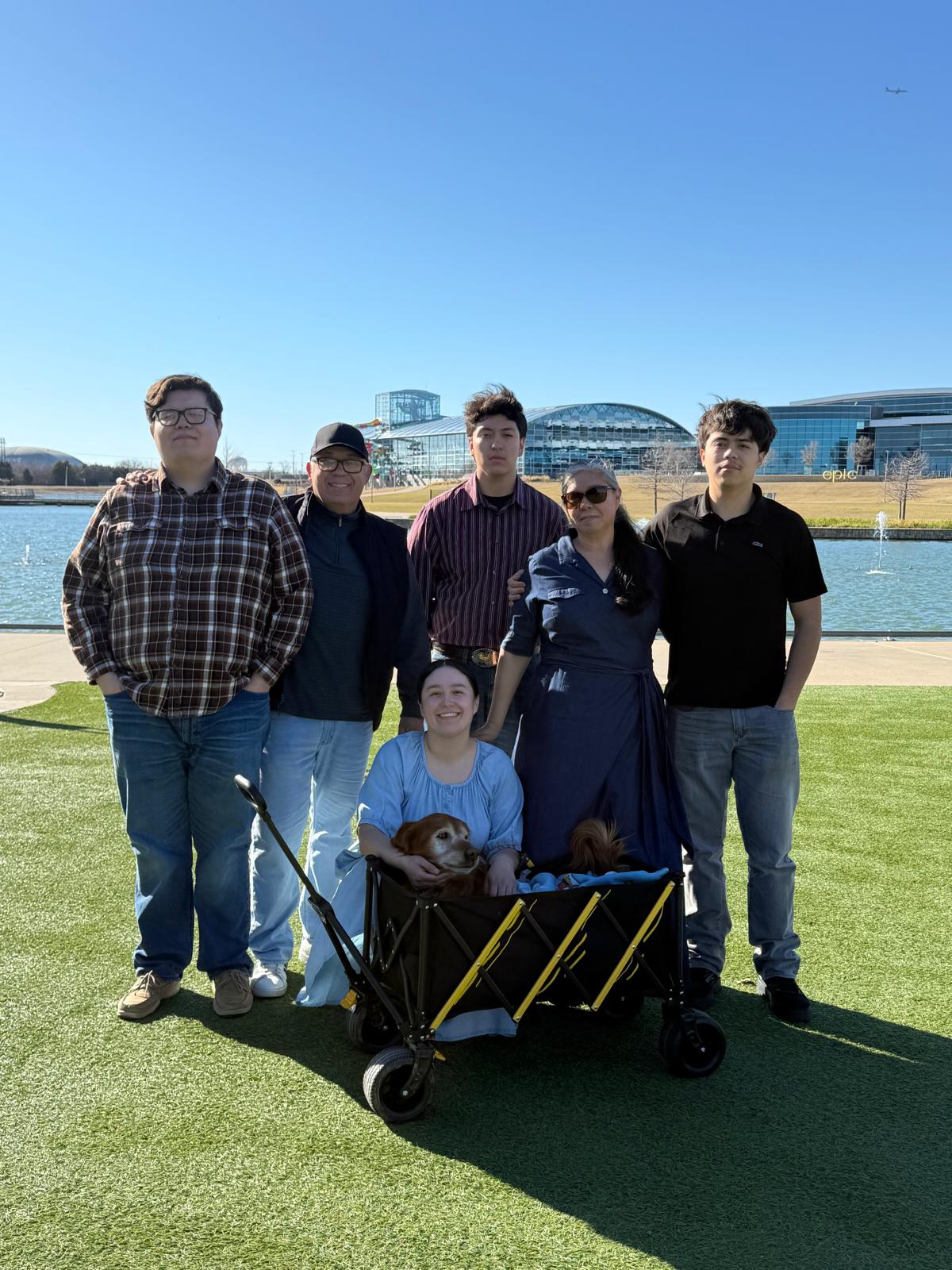
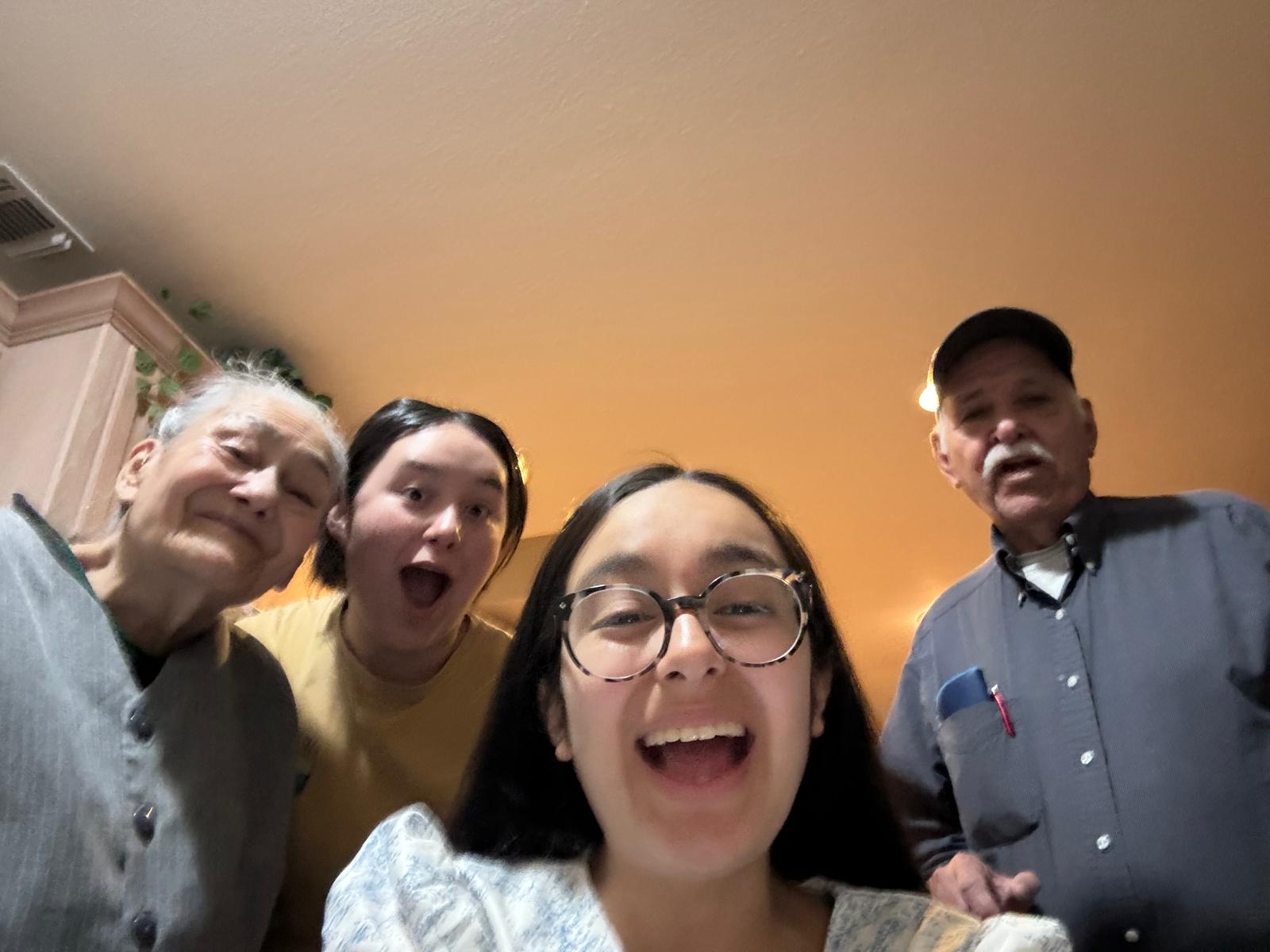
She now works in a flexible job with her cousin, helps care for her abuelito and abuelita, and plans on majoring in communications with a goal of becoming a speech pathologist.
Even though Barrera’s life is centered around her family, work, and planning for her future, she loves sharing her osteosarcoma story whenever she can. “Every time I am able to share my story it is a reminder for myself of how far I have come.”
Today, Diana no longer defines herself by her diagnosis. She acknowledges the challenges of her treatment and the ways osteosarcoma shaped her, but she chooses to focus on the life she has built since.
“My identity is not about being a cancer patient or cancer survivor,” she says. “I am grateful, blessed, and appreciative of how far I have been able to come. I can put cancer in my past and move forward.”
Stay informed as we work to identify new treatments for osteosarcoma.
We never sell or share your information.
Your donation provides immediate and long-term support to osteosarcoma patients.
Sign-up for our newsletter and stay up-to-date about our fight against Osteosarcoma!