Connecting Stakeholders: An Essential First Step
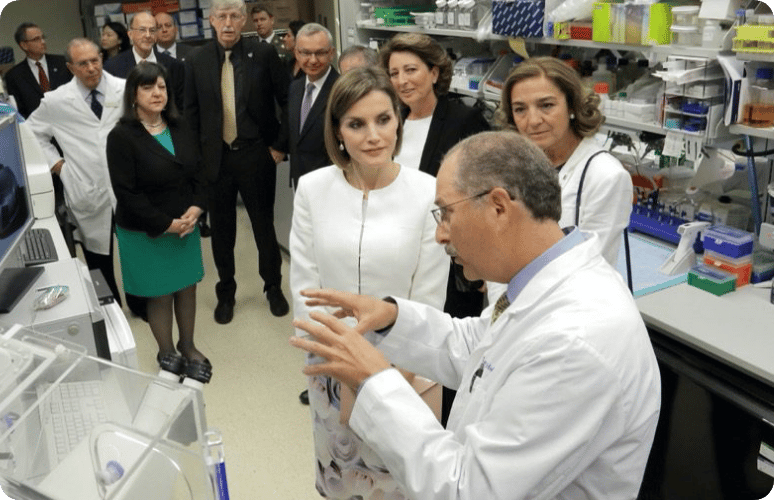
“The best and most important part of the workshop was getting many of the leading experts in one space to start addressing some of the major challenges,” says Lara E. Davis, MD, professor of medicine and head of the sarcoma program at Fred Hutchinson Cancer Center and a member of OSI’s Strategic Advisory Board.
When pharmaceutical developers and the FDA work together early in the drug development process, odds are better that they can avoid expensive delays and get new drugs to patients faster.
“Osteosarcoma creates real challenges for industry partners in terms of seeing a viable path forward for trials,” says Katherine Janeway, MD, MMSc. Dr. Janeway is a senior physician at Dana-Farber/Boston Children’s Cancer and Blood Disorders Center and Pediatric Oncology Section Chief at Dana-Farber Cancer Institute. “Each party who is involved with building a clinical trials portfolio in osteosarcoma was able to present their perspective and be heard. There was good listening between the different parties. That’s an essential first step.”
The workshop created the opportunity to dive into the issues and identify action items to address them. “We need all of these people working together to do that,” Dr. Davis says.
One action item that came out of the workshop: ongoing working relationships with the FDA. The FDA is committed to keeping lines of communication open so experts can find ways to effectively measure success in osteosarcoma treatment and create clinical trials that target these measures and move drugs forward faster.
Finding New Measures of Success
Osteosarcoma presents unique challenges that set it apart from many other cancer types. As such, FDA, researchers, and industry attendees agree that developing clinical trial endpoints that can accurately measure whether a treatment is effective is a critical priority.
For example, with many cancers, tumors shrink when treatment is working – this is reported as a “response rate.” But osteosarcoma tumors often create dense, bone-like structures that remain behind and show up on imaging studies, even after cancer cells have been destroyed. Therefore, measuring shrinkage isn’t the most reliable way to determine how well a treatment is working in osteosarcoma.
“Response rate is a good measure of effectiveness for most cancers and is what the FDA and pharma are comfortable with and repeatedly design trials around. But it is not a good measure in osteosarcoma,” Dr. Davis says. “The FDA representatives in the room were open to thinking about new approaches and new designs.”
For example, the FDA speakers pointed to other cancers that share osteosarcoma’s problem. “It was very helpful for us to hear that from the FDA,” Dr. Janeway says.
Osteosarcoma treatments will need to find new strategies beyond gold standard large, randomized phase III trials, which are unfortunately challenging to perform in rare cancers.
Working together will help identify potential strategies, such as credentialing new biomarkers to assess response in osteosarcoma that can supplement or replace the usual endpoints.