Stories of progress, inspiration, and information in overcoming osteosarcoma.

New Gene Research Aims to Target Osteosarcoma and Unlock Treatments

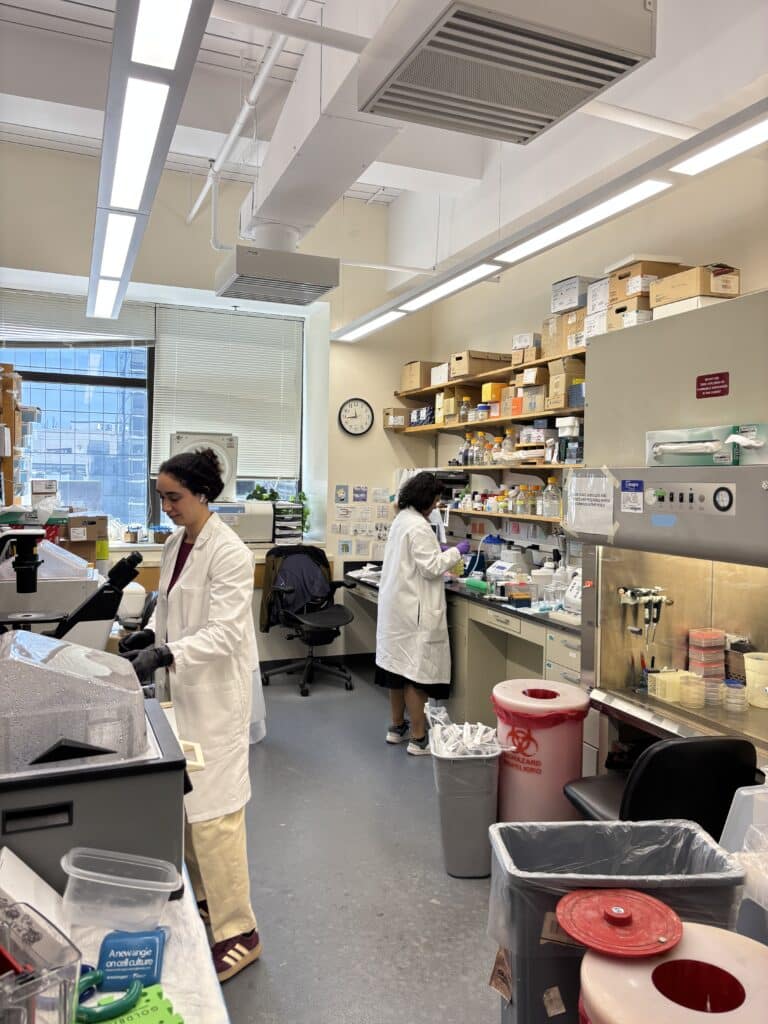
With seed funding support, The Osteosarcoma Institute is bringing two research teams together to better understand the biology of osteosarcoma and find new treatment solutions.

Osteosarcoma is harder to study and treat than many other cancers. While researchers have made progress, many patients still face limited options, making it urgent to find new approaches.

Part of the difficulty is due to the nature of the disease. Because osteosarcoma tumors form in hard bone tissue:

  • It is a challenge to effectively deliver drugs to them
  • Tumors do not always shrink, even when treatment is working
  • It is hard for scientists to extract cells for research

The disease becomes even more complex when it spreads, or metastasizes.

It’s rarity makes it more difficult to run large clinical trials. And on top of that, osteosarcoma has a complex genetic makeup compared to most other cancers.

To overcome these challenges and find new, more effective treatments for osteosarcoma, The Osteosarcoma Institute (OSI) is funding a project titled “Targeting Genomic Complexity in Osteosarcoma.” It is the first project funded by the OSI’s discretionary funding process, which aims to fund high-impact osteosarcoma research outside of the annual grant cycle.

Supporting a Partnership Between Two Leading Research Labs

The project’s principal investigators are David Pellman, MD, a Howard Hughes Investigator, professor of pediatric oncology at the Dana-Farber Cancer Institute and of cell biology at Harvard Medical School, and Alejandro Sweet-Cordero, MD, chief of pediatric oncology, director of the molecular oncology initiative, and co-leader of the pediatric malignancies program at the University of California San Francisco.

“We would not be able to do this work without the support of OSI,” Dr. Sweet-Cordero says. “We had been talking about this for a while, but we had not been able to move forward because the resources were not there. Having this support from OSI makes all the difference in the world.”

The two researchers have known each other for many years, and OSI’s seed funding is bringing the complementary expertise of their labs together.

“A lot of the work we are hoping to do would not be possible without this kind of collaboration,” Dr. Sweet-Cordero says.

What They Hope to Accomplish

Together, the Pellman and Sweet-Cordero labs are working to develop better treatment options for people with osteosarcoma. Because standard chemotherapy is often not effective, they are focused on understanding the biology of osteosarcoma to find new solutions.

One area of study: genome duplication, which is when a cell doubles the number of its chromosomes. Whole genome duplication itself can promote other chromosome abnormalities, such as a process called chromothripsis, or chromosome shattering.

“Chromothripsis looks like somebody took a chromosome and blew it up into hundreds or thousands of pieces and then randomly stitched the pieces back together,” Dr. Pellman says. “This can happen in many cancers, but osteosarcoma is unique in how often this occurs and how many chromosomes are affected.”

By understanding the biology behind the chromosome abnormalities, the researchers hope to target the cells in patients.

“You always want to find something that the cancer cells require that the normal cells do not require, because you want to be able to eliminate the cancer without causing a lot of side effects,” Dr. Sweet-Cordero says.

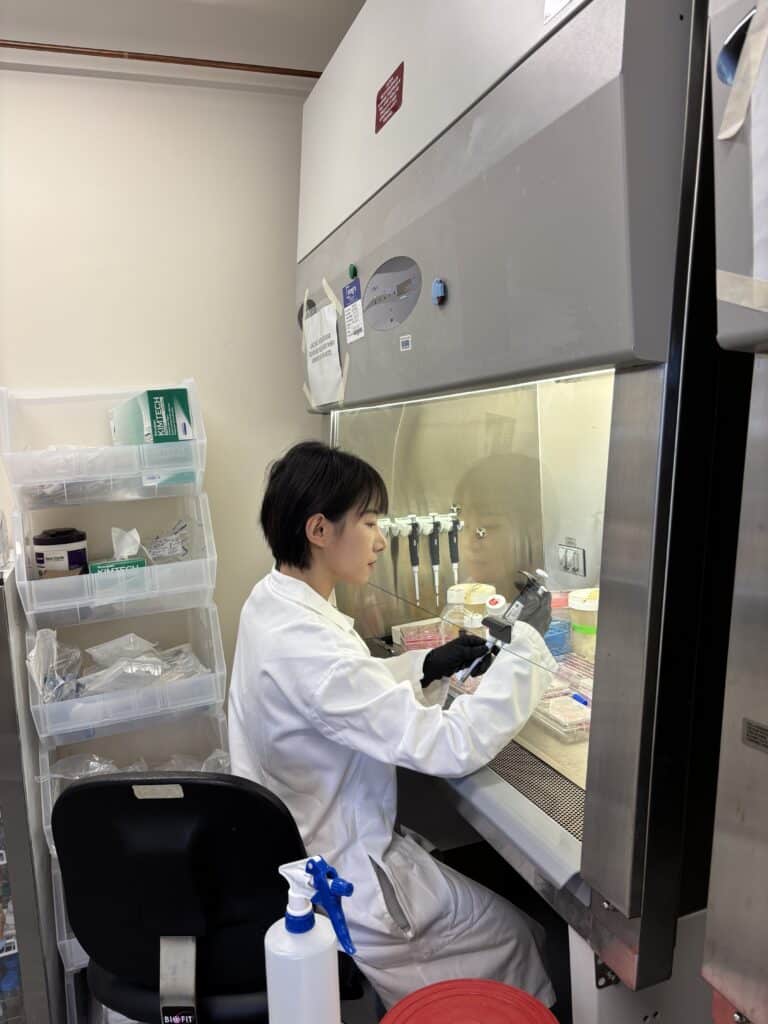
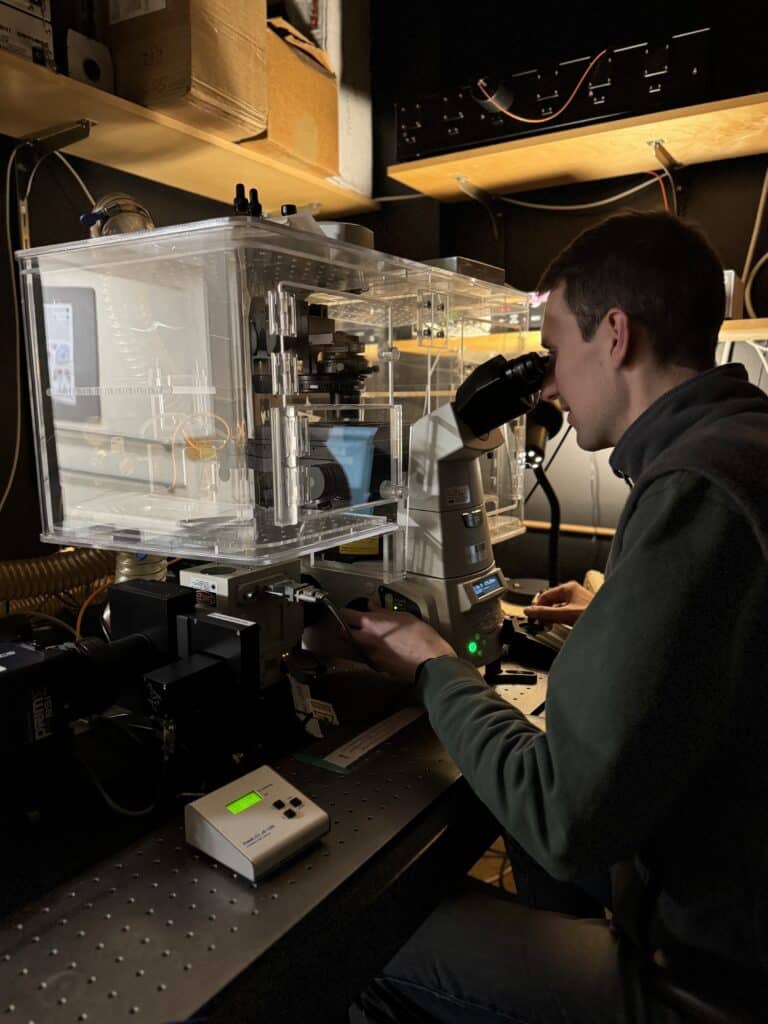
To do this, the team is using CRISPRi technology to shut off every gene, one at a time, in osteosarcoma cells. The team is looking for genes whose inhibition will kill osteosarcomas that have genome duplication and chromothripsis. The goal is to find genes that the cancer cells uniquely depend on and which can be targeted with drugs.

One of those genes is KIF-18A, and currently, there are several drugs now in clinical trials that inhibit KIF-18A.

“It is still very early days, but the size of the initial effect looks promising,” Dr. Pellman says.
“It is a really exciting time to be doing science in general right now, because there are so many technological advances from so many different directions. It feels like time is compressed because of the pace of all of these advances.” —Robert Pellman, MD

Studying Cells in Osteosarcoma

Osteosarcoma varies widely from person to person, making each case unique and difficult to study. Until recently, osteosarcoma researchers only had access to a small number of stem cell line models, and many researchers were using the same ones. Those lines did not reflect the diversity of the disease.

There were also major gaps in information, including which patients the cell lines came from, what treatments they had received, and how they responded to treatment.

To address this, Dr. Sweet-Cordero’s team created new cell lines to better reflect the tumors that came from his patients.

Dr. Sweet-Cordero poses with a patient.

“We wanted to have a collection of lines that we could better understand and that better reflect the complexity of the disease,” Dr. Sweet-Cordero says.

Most of the new cell lines come from patients Dr. Sweet-Cordero treated himself, giving him a personal connection with their journeys. “Some of them are doing well and some, unfortunately, did not do well,” he says.

He feels strongly that these cell lines should be broadly available to other osteosarcoma researchers. So far, they have been shared with more than 30 labs that are also working to better understand and treat osteosarcoma.

Looking Toward the Future of Osteosarcoma Research

For both researchers, this project comes at a time of rapid progress and possibility.

“It is a really exciting time to be doing science in general right now, because there are so many technological advances from so many different directions. It feels like time is compressed because of the pace of all of these advances,” Dr. Pellman says.

“The hope is that the support for this particular project might catalyze other new things that come out of our collaboration and development. In addition to searching for new therapeutic strategies, we hope we’ll better understand what triggers osteosarcoma in the first place.”

Sign Up to Receive The Frontline

Stay informed as we work to identify new treatments for osteosarcoma.

We never sell or share your information.

Contact Information

More On This Topic

No results found.

Your donation provides immediate and long-term support to osteosarcoma patients.